Art Fundamentals
Learning the elements and principles of art is like learning the alphabet before you write a story. These are the essential tools and rules that artists use to organize their ideas visually. Whether you are painting a landscape or designing a logo, you need to understand these basics to communicate effectively.
Think of the elements as the physical ingredients in a recipe. These are things like line, color, and shape that you can actually see on the canvas. Without these raw materials, you have nothing to build your picture with. They are the starting point for every creative project.
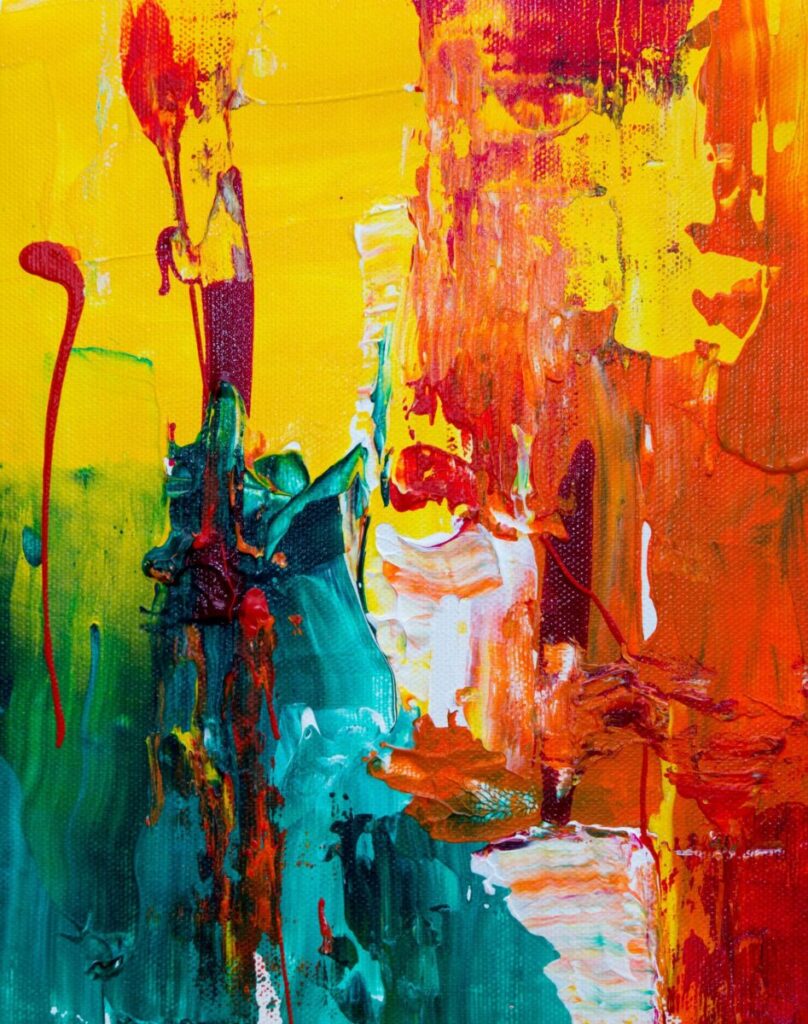
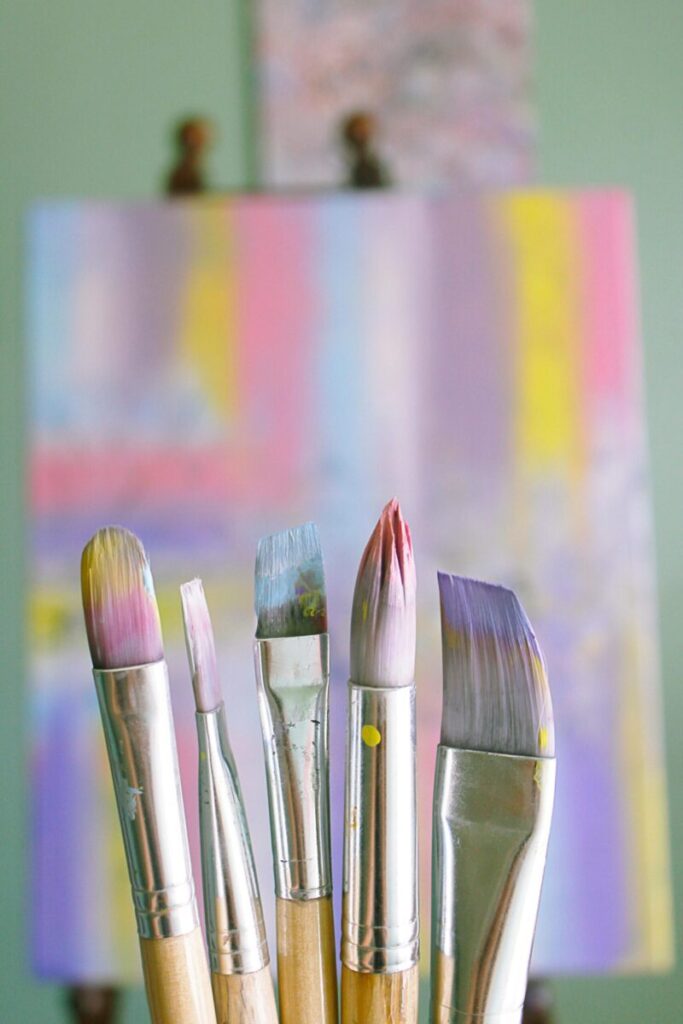
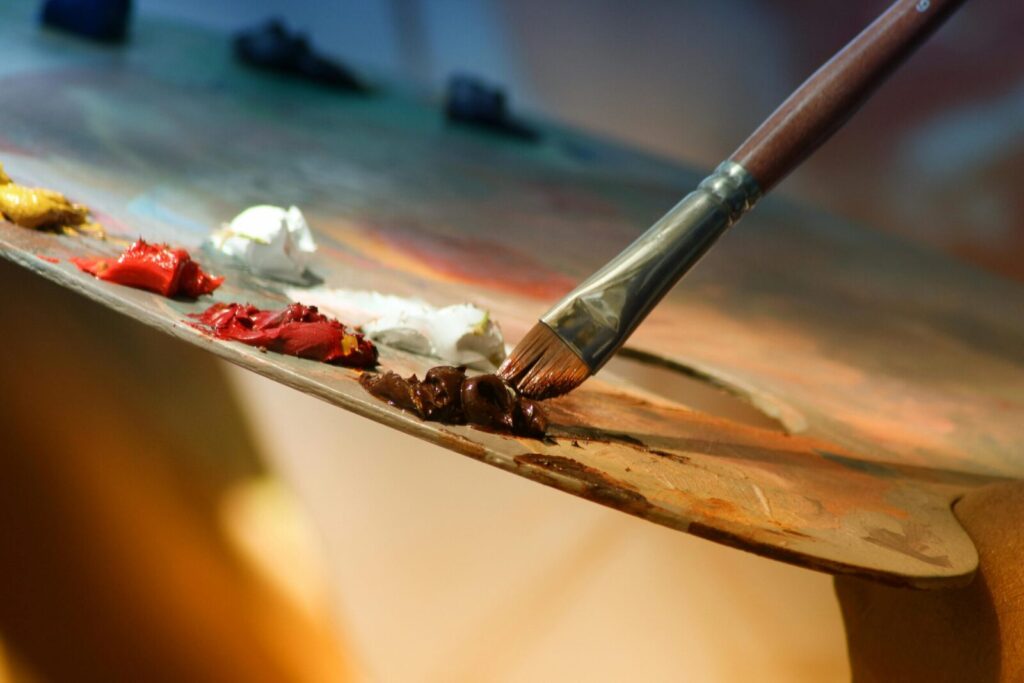
The principles are the instructions on how to mix those ingredients together. They guide you on where to place things so the image feels balanced and interesting. When you combine the parts correctly using these rules, the final result feels complete and pleasing to the eye.
The seven elements
These are the fundamental components used to create a work of art. The standard list includes line, shape, form, space, texture, value, and color. Every masterpiece you see in a museum is built using a specific combination of these simple parts to create a complex image.
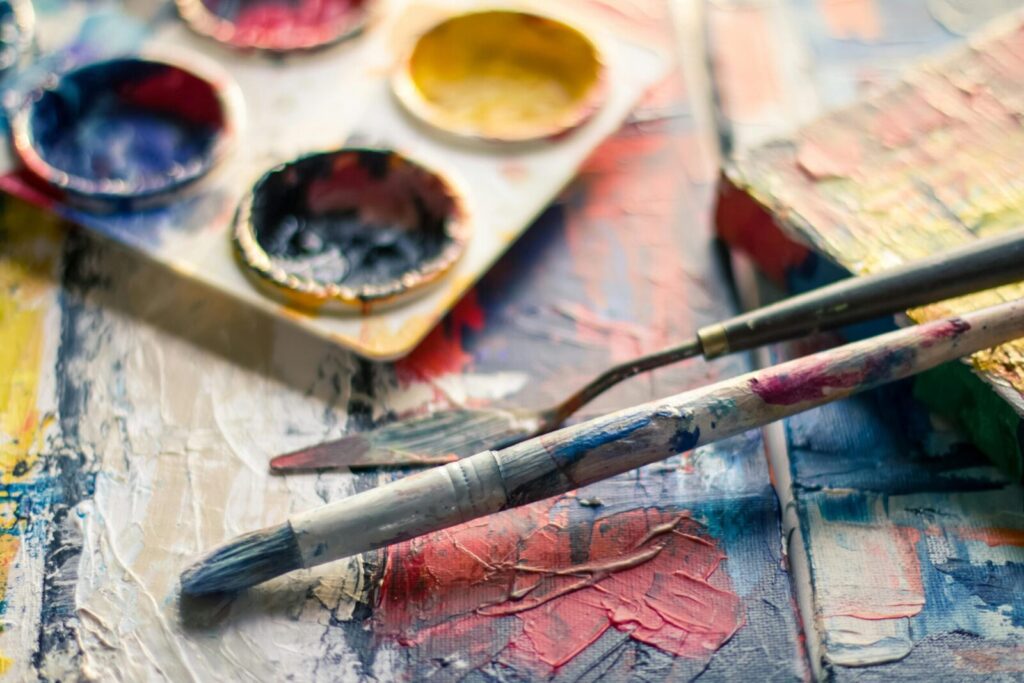
The principles of design
These concepts tell you how to arrange the elements to create a strong composition. Common principles include balance, contrast, emphasis, movement, pattern, rhythm, and unity. They help you control where the viewer looks and how they feel when they see your work. Research papers often require careful structure and formatting.
You do not need to use every single principle in every drawing you make. Sometimes using just one or two effectively makes a much stronger statement. Mastering the relationship between what you use and how you arrange it is what helps a student become a skilled artist.