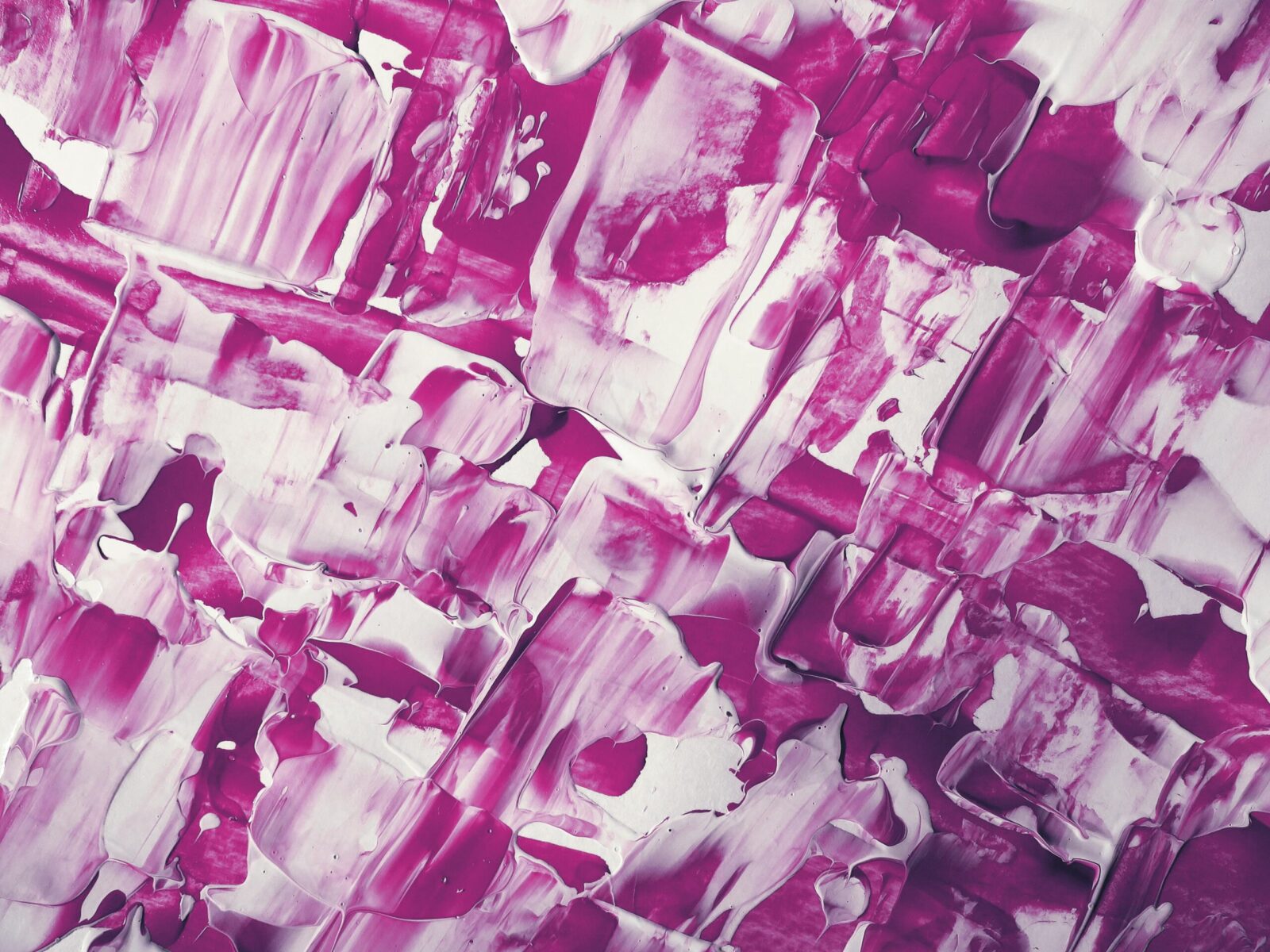
You walk into a modern art museum and see a giant canvas painted entirely blue with a single white line down the middle. You might scratch your head and ask yourself what is abstract art and why is it so famous. You are not alone in feeling this way. Abstract art is often the most misunderstood and debated style in the creative world. Unlike a portrait of a person or a painting of a bowl of fruit, abstract art does not attempt to represent an accurate depiction of visual reality. Instead, it uses shapes, colors, forms, and gestural marks to achieve its effect.
The goal of this art form is not to tell a literal story that you can read like a book. Its goal is to encourage involvement and imagination. It asks you to feel something rather than just recognize something. To truly appreciate it, you have to let go of the idea that art must look like a photograph.
Defining the undefined
At its core, abstract art is a separation from reality. The word abstract literally means to pull away or detach. When an artist creates an abstract piece, they are pulling away from the literal appearance of things.
There is a spectrum to this separation. Some art is only slightly abstract, while other work is completely non-representational.
| Type | Description | Example |
| Representational | This art tries to copy real life exactly. It looks like a photo. | A classic portrait of a king. |
| Impressionist | This art looks like real life but focuses on light and movement. It is a bit blurry. | Monet’s water lilies. |
| Semi-Abstract | You can still recognize objects, but they are distorted or simplified. | Picasso’s cubist faces. |
| Pure Abstract | There is no reference to the physical world at all. It is just color and shape. | Mondrian’s squares and lines. |
Understanding this scale helps you navigate the art world. You can look at a painting and decide how far the artist traveled away from reality.
A brief history of abstraction
For centuries, the main goal of Western art was realism. Artists competed to see who could paint the most life-like fabric, skin, or trees. Then, in the 19th century, something changed everything. The camera was invented.
Suddenly, there was a machine that could capture a perfect image of reality in seconds. Painters realized they no longer needed to function as human copy machines. They were free to explore things that a camera could not see, such as emotions, spiritual concepts, and the properties of paint itself.
Artists like Wassily Kandinsky are often credited with creating the first purely abstract works in the early 20th century. Kandinsky believed that colors and shapes had their own language. He thought visual art could be like music. You do not ask what a C-major chord means or what it looks like in real life. You just listen to it and feel the vibration. Abstract artists wanted to do the same thing with paint.
The silent language of elements
Since abstract artists do not have trees or faces to work with, they have to rely heavily on the fundamental elements of art. They use these tools to communicate directly with your brain.
Color
Color is the most emotional tool in the box. A canvas filled with bright reds and oranges feels hot, angry, or energetic. A canvas covered in cool blues and greys feels calm, sad, or distant. The artist uses these associations to set the mood immediately.
Line
Lines can be sharp and jagged, which might make you feel tension or anxiety. They can also be soft and curving, which suggests flow and relaxation. A chaotic scribble sends a very different message than a perfectly straight architectural line.
Texture
Because there is no subject matter, the physical quality of the paint becomes very important. Some artists pile the paint on thick so it looks like cake frosting. Others water it down until it looks like a stain. This texture gives the artwork a physical presence in the room.
The “my kid could do that” myth
This is the most common criticism of abstract art. It is easy to look at a drip painting by Jackson Pollock and think that it requires no skill. However, this is usually a misconception.
Creating a balanced composition without a subject is actually very difficult. When you paint a landscape, you know where the sky goes and where the ground goes. When you paint abstractly, you have no rules. You have to make thousands of tiny decisions about where to put a color or how to balance a shape.
“Abstract art is not about technical perfection. It is about the freedom of expression and the courage to break the rules.”
If you try to replicate a famous abstract work, you will quickly find that it is harder than it looks. The famous artists spent years studying traditional drawing before they broke away from it. They understood the rules before they decided to break them.
Major movements in abstract art
Abstract art is a huge umbrella term. Underneath that umbrella, there are many specific styles and groups. Here are a few you should know.
Cubism
This was led by Pablo Picasso and Georges Braque. They looked at objects and broke them apart into geometric shapes. They tried to show multiple viewpoints at the same time. It looks like a broken mirror.
Abstract Expressionism
This movement started in New York in the 1940s. Artists like Jackson Pollock and Mark Rothko focused on the physical act of painting. It was spontaneous and emotional. They often worked on massive canvases to overwhelm the viewer.
Minimalism
This style emerged in the 1960s as a reaction against the chaos of expressionism. Minimalist artists wanted to strip art down to its bare essentials. You often see simple geometric forms, industrial materials, and very little emotion. It is clean, quiet, and precise.
How to look at abstract art
If you find yourself standing in front of an abstract painting and feeling confused, try shifting your perspective. Do not look for a hidden code. There is no puzzle to solve.
Here is a simple three-step process to enjoy the experience:
- Stop trying to name things. Do not look for a dog, a cloud, or a face in the shapes. If you find one, that is fine, but it is likely not the point.
- Focus on your feelings. How does the painting make you feel? Do you feel crowded? Do you feel lonely? Do you feel energized?
- Look at the craft. Look at how the paint was applied. Was it brushed on slowly or thrown quickly? Appreciate the physical work that went into making the object.
Why it matters for students
Studying abstract art is incredibly beneficial for art students. It forces you to focus on composition and design. When you cannot rely on a pretty subject to save your drawing, you have to make sure your structure is solid.
It also teaches you about freedom. It shows you that art can be anything you want it to be. You do not have to color inside the lines. You can express anger, joy, or confusion using nothing but color and movement. This is a powerful tool for mental health and personal growth.
Conclusion
Abstract art is an invitation. It invites you to stop thinking with your logical brain and start feeling with your emotional brain. It challenges us to see the world differently. Writing-intensive courses can quickly overwhelm even organized students. https://essaypro.com/pay-for-research-paper offers a practical solution by making academic writing support easy to access and manage.
The next time you see a strange painting in a gallery, do not dismiss it. Stand in front of it for a full minute. Let the colors wash over you. You might find that it speaks to you in a way that a realistic picture never could. Art is a big world, and there is plenty of room for both the real and the abstract.
Academic success often depends on strong written communication. Ask at EssayHub supports students when writing tasks become challenging.
Comments are closed